Local AI Agents for Business: OpenClaw and Hermes Explained (And the Hardware That Runs Them)

Most businesses experimenting with AI in 2026 are using tools they don’t control — public platforms where documents, client data, and internal communications leave the building the moment an employee submits a prompt. The productivity gains are real. So is the exposure. AI agents are the next step — and a meaningfully different one. Unlike a chatbot that responds to questions, an agent executes tasks: it reads files, calls internal systems, automates multi-step workflows, and operates continuously without requiring a human to direct every action. The difference between an AI tool and an AI agent is roughly the difference between a calculator and an employee. For businesses that handle sensitive data, operate under compliance requirements, or simply want AI that integrates with how they actually work rather than sitting alongside it, local deployment matters. Two open-source agents have emerged in 2026 as the leading options for private, self-hosted deployment: OpenClaw and Hermes Agent. This article explains what each one does, how they differ, and what hardware is required to run them effectively. What Is a Local AI Agent (And Why It’s Different from a Chatbot) A chatbot takes a prompt and returns a response. The interaction is stateless: each conversation starts fresh, and the AI has no memory of previous sessions or access to business systems beyond what the user manually pastes into the prompt window. A local AI agent operates differently. It runs as a persistent service on your own infrastructure — a server, a workstation, or a dedicated AI computer — and it can take actions. Depending on how it is configured, an agent can read and write files, interact with internal databases and APIs, send messages across communication platforms, execute code, and carry out multi-step workflows from start to finish without continuous human input. The “local” designation means the agent runs inside your own environment. Data processed by the agent does not leave your infrastructure. There are no third-party cloud platforms involved in the inference itself, no external data retention policies to audit, and no dependency on a vendor’s uptime or pricing decisions. For businesses operating under HIPAA, handling legal or financial data, or simply maintaining a standard of operational security, the distinction is not a technical detail — it is a meaningful control difference. OpenClaw — The Self-Hosted Agent Built for Controlled Deployment OpenClaw is an open-source AI agent framework that runs on private infrastructure rather than as a hosted subscription service. The project reached 100,000 GitHub stars in early 2026, driven primarily by developer interest in self-hosted AI automation — a capability that had previously required significant custom engineering to build from scratch. At its core, OpenClaw is a gateway architecture. It connects a large language model of your choosing — which can run locally via Ollama, or through a private API endpoint — to messaging platforms, internal tools, file systems, and external services. The agent operates as a persistent process: it receives instructions, executes tasks, and continues running between interactions. OpenClaw is well-suited to structured, tool-driven workflows: internal helpdesk automation, document processing, API integrations, and development support tasks where predictability and auditability matter. NVIDIA NemoClaw — Security Layer for OpenClaw NVIDIA has released NemoClaw, an open-source stack built directly on top of OpenClaw. NemoClaw adds policy-based security controls and sandboxed execution to the agent runtime — isolating network and filesystem access and requiring real-time policy approval before the agent can interact with external resources. NemoClaw runs natively on NVIDIA DGX Spark and NVIDIA RTX systems, and is designed specifically for organizations that need OpenClaw’s capabilities with enterprise-grade isolation. For businesses in regulated industries or those handling sensitive operational data, NemoClaw provides an auditable deployment path that OpenClaw alone does not enforce by default. Hermes Agent — The AI That Learns as It Works Hermes Agent is an open-source autonomous AI agent developed by Nous Research, the lab behind the widely-used Hermes model family. Released in February 2026, the project has accumulated significant adoption among teams running AI in production environments where adaptability matters. The defining characteristic of Hermes Agent is its closed learning loop. After completing a complex task, the agent writes a reusable skill — a structured record of what it did and how — which it can draw on in future tasks. The longer the agent operates within a specific business environment, the more capable it becomes at handling that environment’s particular workflows and edge cases. Hermes Agent supports more than 40 built-in tools and connects to over 16 messaging platforms including Slack, Microsoft Teams, WhatsApp, and Telegram. It runs on any infrastructure that supports Docker, requires a minimum of 4GB RAM, and can operate with either a cloud-hosted LLM API or a fully local inference backend via Ollama — the latter enabling completely air-gapped deployment with no external data transmission. Hermes Agent is particularly well-suited to operational workflows where behavior should improve over time: customer-facing support routing, internal knowledge management, document summarization pipelines, and automated reporting processes that benefit from accumulated context about how the business operates. The Hardware Question — NVIDIA DGX Spark vs Apple M-Series Running a local AI agent requires hardware that can perform inference — executing the language model — without offloading computation to an external server. The two most practical options for business deployment in 2026 are NVIDIA’s DGX Spark and Apple’s M-series computers. NVIDIA DGX Spark The DGX Spark is NVIDIA’s desktop AI workstation, powered by the Grace Blackwell Superchip and equipped with 128GB of unified memory. It is capable of running models with up to 100 billion parameters locally — a capability that previously required data center infrastructure. For OpenClaw specifically, NVIDIA’s NemoClaw stack is designed to run natively on DGX Spark, providing a complete pipeline from local inference to secure agent deployment. At CES 2026, NVIDIA demonstrated DGX Spark acting as an external AI accelerator for Apple MacBook Pro systems — offloading AI workloads from the laptop while keeping computation local to the office environment. DGX Spark is the appropriate choice for
What Is Local AI And Why Businesses Are Starting to Use It

Artificial intelligence has quietly become part of how most businesses operate. Teams use it to summarize documents, draft communications, automate repetitive tasks, and move faster through work that used to take longer. But as AI tools spread across organizations, a question that wasn’t being asked a year ago is now coming up in almost every serious conversation about business technology: Where is your company’s data actually being processed? For most businesses, the honest answer is: somewhere outside your control. Employees enter internal documents, customer records, financial data, and operational procedures into public AI platforms every day — often without anyone having made a deliberate decision about whether that’s appropriate. It happens because the tools are useful, not because anyone evaluated the exposure. Local AI exists to close that gap. It’s not about avoiding AI. It’s about adopting it in a way that keeps your data, your workflows, and your infrastructure under your own management. What Local AI Actually Is Local AI refers to artificial intelligence systems that operate within a controlled business environment rather than routing all processing through public cloud-based platforms. In practice, this looks different for different businesses. It might mean privately hosted AI environments, on-premise AI infrastructure, internal AI assistants connected to company systems, AI agents integrated into operational workflows, or hybrid configurations that combine local infrastructure with selected cloud services in a managed way. The core principle is straightforward: instead of sending operational information to external systems you don’t control, you process and manage AI-related tasks within an environment that belongs to your business. This isn’t an all-or-nothing choice. Most businesses that implement Local AI don’t abandon cloud tools entirely — they become more deliberate about which data goes where and why. Why Businesses Are Making the Shift Data Control and Privacy The most immediate driver is sensitive data exposure. When employees use public AI tools for operational tasks, they routinely submit information that businesses would never intentionally share with a third party — client documents, financial records, internal procedures, contracts. Most of the time this happens without malicious intent. An employee is trying to work faster and reaches for the most convenient tool available. But convenience and security aren’t the same thing, and without governance in place, exposure accumulates. Local AI environments keep processing inside controlled infrastructure, giving businesses genuine visibility into how data is handled, where it’s stored, and who can access it — rather than accepting whatever a public platform’s terms of service say. Structured Integration Instead of Fragmented Adoption Left to spread organically, AI adoption inside organizations becomes a mess. One team uses one platform, another team uses something different, nobody has oversight of what’s being shared with what, and the business ends up with fragmented AI usage and no consistent security posture. Local AI allows businesses to integrate AI in a structured way — applying security policies, controlling user permissions, monitoring usage, and maintaining centralized management. As AI moves closer to core business operations, that structure becomes less optional and more necessary. AI That Works Inside Your Systems Most public AI tools operate separately from internal business infrastructure. Employees copy information manually between systems, workflows stay fragmented, and the efficiency gains plateau quickly because the AI never actually integrates with how the business operates. Local AI environments can connect directly to internal documentation systems, operational workflows, databases, support processes, and team workflows — enabling businesses to move beyond isolated AI usage toward AI that functions as part of the operational environment itself. AI Agents and Internal Automation The most significant shift happening in business AI right now isn’t in the chat interfaces most people are familiar with. It’s in AI agents — systems capable of interacting with internal knowledge, automating operational tasks, assisting teams in context-aware ways, and supporting structured workflows without requiring constant manual direction. AI agents don’t just respond to prompts. They operate within systems, take sequences of actions, and become part of how work actually gets done. For businesses that implement them well, this represents a meaningful shift in operational efficiency. For businesses that implement them without governance, it represents a meaningful expansion of risk. Local AI infrastructure is what makes agent-based workflows possible without exposing internal systems and data to uncontrolled external platforms. Reducing Dependency on Public Platforms Operational dependency on external platforms that can change their policies, pricing, or data governance practices at any time creates a category of risk that’s easy to overlook until it becomes a problem. Businesses that have built workflows around public AI tools are discovering that they have limited control over what those tools do with their data, limited customization options, and limited recourse when something changes. Local AI gives businesses greater infrastructure ownership and flexibility as their operational needs evolve — without the exposure that comes with building critical workflows on platforms you don’t control. Common Misconceptions Worth Addressing «Local AI means everything has to be on-premise.» It doesn’t. Many businesses use hybrid environments that combine local infrastructure, private cloud environments, and selected public AI services. The goal is controlled integration — not complete isolation from cloud technology. «Local AI is only for large enterprises.» This was truer two years ago than it is today. As AI infrastructure becomes more accessible, small and mid-sized businesses are implementing controlled AI environments — particularly in industries handling sensitive client data, regulated information, or confidential operational processes. «Local AI replaces employees.» In practice, Local AI is used to improve operational efficiency, reduce time spent on repetitive tasks, assist teams with information retrieval and workflow automation, and streamline processes that currently depend on manual effort. The focus is operational support, not headcount reduction. Why This Matters Specifically for Glendale Businesses Businesses in Glendale are operating with increasing dependence on digital systems — cloud platforms, remote collaboration tools, customer data systems, and workflow automation — while simultaneously facing growing pressure around security, compliance, and operational continuity. As AI adoption increases, businesses that implement it informally tend to create hidden security exposure, fragmented workflows, and
How Businesses Can Integrate Local AI Securely And Why It Matters Now

Local AI is the structured alternative. At Techbleed, we help businesses integrate AI within controlled environments capturing the operational benefits of modern AI without the data exposure that comes with unmanaged public platform adoption. Every business using AI tools today is making a decision they may not fully realize they’re making a decision about where their data goes. When an employee pastes a client document into a public AI platform to summarize it, or uses a cloud-based AI tool to draft internal communications, that information leaves the building. It enters systems the business doesn’t control, under data retention policies it probably hasn’t read, processed in ways that aren’t fully transparent. For most businesses, this happens gradually and informally one helpful tool at a time until the cumulative exposure becomes a real concern. What Local AI Actually Means Local AI refers to artificial intelligence systems that operate inside a controlled business environment rather than routing data through public cloud platforms. Depending on the business setup, this can include on-premise AI deployments, privately hosted AI environments, internal AI agents, or hybrid configurations that combine local and cloud resources in a managed way. The goal isn’t to avoid cloud technology entirely. It’s to give businesses genuine control over where their data is processed, who can access it, and how AI systems interact with internal operations rather than accepting the default terms of public platforms designed for general consumer use. Why More Businesses Are Reconsidering Public AI Tools Public AI platforms are genuinely useful. The concerns aren’t about capability they’re about control. Data exposure that happens without anyone noticing. Employees using AI tools to work faster aren’t trying to create security risks. But when internal documents, customer records, financial data, or operational procedures get submitted to external AI systems, that information has left the organization. For businesses handling confidential or regulated information, this matters — even when nothing visibly goes wrong. Limited visibility into what happens to the data. Most businesses don’t fully understand how public AI platforms process information, where it’s stored, or what retention policies apply. For organizations operating under HIPAA, legal privilege requirements, or other compliance frameworks, that uncertainty isn’t acceptable. Workflows that stay fragmented. Public AI tools typically operate separately from internal business systems. Employees manually move information between them, automation remains surface-level, and the AI never fully integrates into how the business actually operates. The result is productivity gains that plateau quickly. What a Well-Designed Local AI Environment Enables A properly structured Local AI environment gives businesses access to modern AI capabilities without the control tradeoffs of public platforms. In practice, this means being able to analyze internal documents without exposing them externally, automate workflows using AI that operates within your own infrastructure, deploy internal AI agents that interact with your documentation and systems directly, build private knowledge systems that reflect how your business actually operates, and process sensitive operational data in an environment you control. For most businesses, Local AI isn’t about replacing people or adopting technology for its own sake. It’s about improving how work gets done while maintaining the security standards the business already requires. The Shift Toward AI Agents in Business Operations AI tools have moved well beyond simple chat interfaces. Businesses are increasingly exploring AI agents systems capable of interacting with internal documentation, assisting teams with operational tasks, automating repetitive processes, and supporting structured workflows without requiring constant human direction. This shift changes what AI integration means. Instead of isolated prompts that generate individual outputs, businesses can build AI-driven operational systems tailored to their own infrastructure, data, and workflows. The question stops being “what can this AI tool do?” and becomes “how do we build AI into how we actually work?” How Techbleed Approaches Local AI Integration We treat Local AI integration as infrastructure — not as experimentation. The focus is on building secure, practical, and manageable AI environments that support real business operations, not on deploying tools that create new complexity without delivering consistent value. Infrastructure Assessment Before recommending anything, we evaluate your existing systems, operational workflows, security requirements, and data sensitivity levels. What you already have determines what Local AI integration should look like for your specific environment. Secure Deployment Planning We design AI environments that align with your internal security policies, business continuity requirements, and operational reliability standards so the infrastructure we build fits into how your business already manages risk. AI Agent and Workflow Integration We help businesses integrate AI tools and agents into internal operations, support processes, documentation workflows, and team productivity systems — in ways that connect to existing infrastructure rather than sitting alongside it. Controlled Access and Monitoring Access controls, monitoring systems, and operational safeguards reduce the risk of misuse or unintended data exposure ensuring AI systems operate within defined boundaries as adoption grows across the organization. Ongoing Support and Maintenance AI systems require the same ongoing management as any other infrastructure updates, monitoring, performance oversight, and adaptation as business needs evolve. We provide long-term support to keep Local AI environments stable, secure, and operationally effective over time. Why This Matters for Growing Businesses in Glendale As businesses become more dependent on digital systems, AI will continue moving closer to core operations. The question is no longer whether companies will use AI it’s whether they’ll use it in a way that’s controlled, sustainable, and aligned with how their business actually operates. Businesses that adopt AI informally tool by tool, without structure tend to create security exposure they’re not aware of, workflows that fragment rather than improve, and processes that depend on platforms they don’t control. Businesses that approach AI as part of their infrastructure with the same planning and management applied to any other critical system are far more likely to get lasting operational value from it. For Glendale businesses handling sensitive client data, operating under compliance requirements, or simply wanting to adopt AI without introducing new risks, Local AI integration is worth understanding before the informal adoption gets ahead of the governance. Ready to Explore
How to Tell If Your Business Has Been Hacked — Signs You Shouldn’t Ignore

Most business owners don’t find out they’ve been hacked from an alarm or a notification. They find out from a client who received a strange email, a system that stopped working, or — worst case — a ransom demand. By the time a cyberattack becomes obvious, the damage is usually already done. The signs were there earlier. They just didn’t look like a cyberattack at the time. This guide covers the most common indicators that your business systems may have been compromised, what each one actually means, and what to do if you recognize them. Unusual Account Activity Unexpected behavior in your accounts is often the earliest warning sign — and the one most likely to be dismissed as a technical glitch. Watch for login attempts from unfamiliar locations or devices, passwords that were changed without your action, new user accounts or elevated permissions you didn’t create, and access at unusual hours from accounts that shouldn’t be active. Any one of these on its own might have an innocent explanation. More than one at the same time is a pattern worth taking seriously. Systems That Suddenly Slow Down or Become Unstable Unexplained performance problems are easy to attribute to aging hardware or a software update — but they can also indicate something running in the background that shouldn’t be. Malware frequently consumes system resources without announcing itself. If your computers, servers, or network suddenly become sluggish without a clear cause, you’re seeing crashes more frequently than before, or basic operations that used to be instant now have noticeable delays — it’s worth investigating beyond the obvious explanations. Emails or Messages Sent From Your Business That You Didn’t Send If a client or partner contacts you about a strange email they received from your company, take it seriously — even if it seems like a minor oddity. Compromised email accounts are used to send phishing attempts to your contacts, distribute malware through attachments, and impersonate your business in ways that damage trust and create legal exposure. By the time someone tells you about it, the account has usually been active for a while. Security Tools That Are Disabled or Behaving Unexpectedly One of the first things sophisticated attackers do after gaining access is disable or interfere with the security tools designed to detect them. If your antivirus has turned itself off, your firewall settings have changed, security software is generating unusual alerts, or tools that were updating automatically have stopped doing so — these aren’t routine technical issues. They’re indicators that something may have actively interfered with your defenses. Files That Are Missing, Altered, or Suddenly Inaccessible Data doesn’t disappear or change on its own. If files are missing, renamed, moved to locations that don’t make sense, or suddenly require permissions that weren’t previously needed — someone or something has interacted with them. In ransomware scenarios, files become inaccessible and you eventually receive a demand to pay for their return. But file tampering often starts subtly, long before anything is locked or encrypted. Software or Applications You Don’t Recognize Unknown programs appearing on your systems, browser settings that changed without anyone touching them, new extensions or toolbars, and persistent pop-ups or redirects to unfamiliar websites are all signs of unauthorized software installation. This category of compromise often comes from a single employee clicking something they shouldn’t have — a phishing email, a malicious download, a compromised website. The software that gets installed is designed to be quiet and persistent. Unusual Network Activity Network-level indicators are often invisible without monitoring tools, but they’re among the most reliable signals that something is wrong. Large volumes of data being transferred to external destinations, devices connected to your network that don’t belong to anyone on your team, and irregular traffic patterns — particularly at night or on weekends — can indicate that your systems are being used for purposes you didn’t authorize. What to Do If You Recognize Any of These Signs If one or two of these sound familiar, don’t wait for things to resolve on their own. Cyberattacks don’t self-correct — they escalate. Immediate steps worth taking: Change passwords on affected accounts from a device you’re confident is clean. Disconnect systems showing unusual behavior from the network to prevent the problem from spreading. Run security scans on affected devices. Avoid using compromised accounts until the situation is assessed. Document what you’re seeing — timestamps, screenshots, specific behaviors — because that information matters for investigation and, potentially, for insurance or legal purposes. The honest caveat: most cyber threats aren’t fully visible without proper monitoring tools and expertise. What you can see on the surface is rarely the whole picture. Why Small Businesses in Glendale Are Frequently Targeted The assumption that small businesses are too small to be worth targeting is one of the most dangerous misconceptions in cybersecurity — and attackers know it. Small businesses are targeted precisely because they’re more likely to have inconsistent security, less likely to have dedicated IT monitoring, and less likely to detect intrusions quickly. The same data that exists in a large enterprise — client records, financial information, credentials — exists in smaller businesses too, with less standing between an attacker and access to it. Being small doesn’t reduce your exposure. In many cases, it increases it. How Techbleed Helps Glendale Businesses Detect and Prevent Cyber Threats The goal isn’t to respond faster after something goes wrong — it’s to see the signs before they become incidents. We provide continuous monitoring that detects unusual activity in real time, proactive cybersecurity protection that blocks threats before they can spread, regular security assessments that surface vulnerabilities before attackers find them, and immediate response when suspicious behavior is detected. Backup and recovery systems ensure your data is protected and recoverable even in worst-case scenarios. Most businesses we work with had warning signs they didn’t recognize as such until we showed them what to look for. The difference between a contained incident and a serious breach is usually how early those
How Much Do Managed IT Services Cost in Glendale? (2026 Guide)

Businesses in Glendale don’t usually ask whether they need IT support — they ask how much it costs and what they actually get in return. That’s a fair question. Managed IT services pricing isn’t always transparent, and it’s easy to end up paying for more than you need — or less than you should. This guide breaks down what drives the cost, what pricing typically looks like for Glendale businesses, and how to evaluate whether what you’re paying for actually makes sense. What Affects Managed IT Services Pricing There’s no single fixed price for managed IT services because no two businesses have the same setup or the same needs. The cost is shaped by a combination of factors specific to your organization. Number of users and devices — more employees means more devices, more support requests, and more systems to monitor. Most providers price per user or per device, so this is usually the biggest variable. Infrastructure complexity — a business running basic cloud tools has different needs than one managing on-site servers, multiple locations, or specialized software. More complexity means more active management. Security requirements — basic antivirus and monitoring is one cost. Layered cybersecurity with threat detection, compliance management, and security awareness training is another. If your business handles sensitive data — client records, financial information, healthcare data — your security needs are higher, and the cost reflects that. Support coverage — business hours support costs less than 24/7 monitoring and response. If your operations run outside standard hours or downtime at any hour is a real problem, around-the-clock coverage is worth the additional cost. What Managed IT Services Typically Cost in Glendale Most businesses in Glendale fall within these ranges, depending on size and service level: Pricing Model Typical Range Best For Per user / month $100 – $250 Growing teams with predictable headcount Flat monthly rate $1,000 – $5,000+ Small businesses wanting fixed costs Hourly support $75 – $200/hr Occasional, non-critical needs Most growing businesses move away from hourly support relatively quickly. Reactive support — paying only when something breaks — sounds cheaper until you calculate the cost of the downtime itself. Pricing Models Explained Understanding how providers structure their pricing helps you compare options accurately. Per user — you pay a fixed monthly amount per employee. Simple, predictable, and scales naturally as your team grows. Most common model for small and mid-sized businesses. Per device — you pay per device rather than per person. More relevant for businesses with significant hardware infrastructure — servers, specialized equipment, or high device-to-user ratios. Tiered packages — providers offer service levels (basic, standard, advanced) at different price points. Useful if you want a starting point and the ability to add services as your needs grow. Fully managed IT — the provider takes complete responsibility for your IT environment. Higher cost, but your team has no IT overhead and issues are handled proactively before they affect operations. What’s Included in a Standard Managed IT Package A solid managed IT service agreement typically covers: 24/7 remote monitoring of your systems and network Help desk support for your team Cybersecurity protection — antivirus, firewall management, threat monitoring Data backup and disaster recovery Software updates and patch management Vendor coordination and license management The goal isn’t just to fix problems — it’s to prevent them before they happen. That distinction is what separates managed IT from break-fix support. The Costs Businesses Don’t Account For Most businesses evaluate managed IT pricing based on the monthly invoice. The costs that actually matter are usually invisible until something goes wrong. Downtime — a server failure or network outage during business hours isn’t just an IT problem. It’s lost productivity across every employee affected, missed client commitments, and revenue that doesn’t come back. Even a few hours of downtime can exceed a full month of managed IT costs. Security incidents — a ransomware attack or data breach carries costs far beyond the immediate disruption. Recovery, legal exposure, regulatory penalties, and client trust are all on the line. For small businesses, a serious incident can be existential. Slow systems and chronic issues — productivity lost to slow computers, unreliable connectivity, and recurring problems that never quite get fixed is easy to ignore because it happens gradually. But across a team, it compounds into real money every week. The question isn’t whether managed IT services cost money. It’s whether the alternative costs more. Is Managed IT Worth It for Small Businesses in Glendale? For most small and mid-sized businesses, the comparison isn’t managed IT vs. no IT support — it’s managed IT vs. hiring internally. A single in-house IT hire in the Los Angeles area costs $65,000–$90,000 annually in salary alone, before benefits, training, and the reality that one person can’t cover everything. Managed IT services give you access to a full team — monitoring, helpdesk, security, cloud management — for a fraction of that cost. The practical benefits for Glendale businesses: Predictable monthly cost with no surprise expenses Faster issue resolution because multiple specialists are available Proactive monitoring that catches problems before they affect operations Security expertise that would require dedicated personnel to replicate internally Systems that scale as your business grows without rebuilding from scratch What to Look For When Evaluating Providers Price matters, but it’s not the only thing worth comparing. When reviewing managed IT providers in Glendale, ask: What’s the actual response time for critical issues? Is monitoring truly 24/7 or just during business hours? What’s included in the base price versus add-on services? Do they have experience with businesses in your industry? Are they local — can they be on-site when needed? A low monthly price that comes with slow response times and reactive support often costs more than a higher-priced provider that prevents problems before they happen. Understanding What You’re Currently Paying For If you’re already working with an IT provider or managing IT internally, the most useful starting point isn’t a price comparison — it’s an honest look at what’s working
IT Support for Law Firms in Los Angeles: Built for Deadlines, Security, and Zero Margin for Error

Introduction A technology failure at a law firm is never just an inconvenience—it’s a professional liability. A missed court filing, an inaccessible case file, or a compromised client communication can directly affect case outcomes, damage client relationships, and put your firm’s reputation on the line. That’s why more legal practices across Los Angeles are moving away from generic IT providers and toward IT support built specifically for the demands of legal work. This guide covers what that actually means, what’s at stake if you get it wrong, and what to look for when choosing an IT partner for your firm. The Reality of Legal Workflows (And Why Standard IT Falls Short) Law firms don’t operate like most businesses. Your daily workflow depends on tools and processes that generic IT providers rarely encounter: Case management platforms such as Clio, MyCase, and NetDocuments Court deadlines with zero tolerance for delay Privileged client communications that require strict security protocols High volumes of sensitive documents that need to be accessible—and protected Reliable remote access across courtrooms, client sites, home offices, and multiple firm locations A provider without legal industry experience may keep your systems running day-to-day. But the moment something goes wrong at a critical time, the gap becomes obvious. Legal IT support requires precision, speed, and absolute reliability—because even a small delay can carry real legal consequences. Critical IT Risks Law Firms Face in Los Angeles 1. Confidential Data Exposure Law firms handle some of the most sensitive data in any industry: litigation strategy, financial records, privileged communications, and personal client information. Cybercriminals know this—and they target legal practices accordingly. Without advanced, layered protection, your firm is exposed to: Ransomware attacks designed to encrypt and hold case files hostage Phishing campaigns crafted to impersonate courts, opposing counsel, or clients Unauthorized internal access to files that should be restricted A single successful attack can compromise active cases, trigger regulatory scrutiny, and cause irreparable damage to client trust. 2. Missed Deadlines Due to System Failure Court dates and filing windows don’t move for IT problems. A server crash, an authentication failure, or unexpected software downtime at the wrong moment can: Delay a filing that cannot be recovered Disrupt deposition prep or hearing access Leave attorneys unable to reach critical documents mid-case In Los Angeles’s competitive legal market, downtime doesn’t just cost time—it costs clients and cases. 3. Compliance Pressure Law firms operate under a layered set of obligations that touch directly on technology: ABA Model Rules on confidentiality and competence—including technology competence California State Bar requirements around data protection and client communication Evolving best practices for cybersecurity in professional service environments Non-compliance isn’t a technical issue you can patch later. It’s a professional liability with real consequences. 4. Remote and Multi-Location Work The modern attorney works from everywhere: courthouses, home offices, client meetings, and multiple firm locations. Each additional access point introduces risk if it isn’t properly secured. Managing this effectively requires: Encrypted remote access that doesn’t compromise performance Secure file sharing that works reliably across devices and locations Cloud collaboration tools configured for legal-grade security What Effective IT Support for Law Firms Actually Looks Like Purpose-built IT support for law firms doesn’t wait for problems to surface—it’s designed to prevent them. Here’s what that looks like in practice. Proactive Monitoring and Rapid Response Around-the-clock system monitoring, not business-hours-only coverage Real-time alerts that catch issues before attorneys notice them Fast, decisive response when incidents do occur Built-In Cybersecurity—Not an Add-On Endpoint protection across every device that touches firm data Network-level threat detection and intrusion prevention Ongoing vulnerability management to stay ahead of emerging threats Legal-Optimized Cloud Infrastructure Secure document storage with access controls appropriate for privileged information Native integration with legal software and case management platforms Reliable, consistent remote work environments that don’t require workarounds Disaster Recovery That Actually Works Encrypted, geographically redundant backups Tested recovery protocols with defined, realistic recovery time objectives Minimal downtime even during serious incidents A backup that takes 48 hours to restore isn’t protection—it’s false confidence. Legal IT support means your recovery has actually been tested. Legal Software Integration Hands-on support for your case management, billing, and time-tracking tools E-discovery and document automation integration A provider who knows your software stack before something breaks Why Local IT Support in Los Angeles Matters The Los Angeles legal market has its own rhythm—its courts, filing systems, and the pace at which practice moves. A provider embedded in that environment brings knowledge that a remote national vendor simply can’t replicate. Beyond familiarity, local presence means: On-site support when remote resolution isn’t enough Faster response times in high-stakes situations A provider who understands the specific pressures LA firms face Local presence means faster resolution and less operational risk when it matters most. Choosing the Right IT Support Partner for Your Law Firm Not every IT provider is equipped for legal environments. When evaluating partners, prioritize: Proven, specific experience supporting law firms—not just professional services generally Deep familiarity with the legal software your firm uses 24/7 monitoring and support availability A cybersecurity practice that treats protection as foundational, not optional Local presence in Los Angeles with the capacity for on-site response Final Thoughts Legal work depends on precision, timing, and trust. Your IT infrastructure has to support all three—reliably, and without becoming the reason something went wrong. Specialized IT support for law firms in Los Angeles isn’t a premium service. It’s the baseline for practicing with confidence in an environment where technology failure isn’t just a technical problem—it’s a professional one. If your current setup gives you pause, that’s worth taking seriously. The right IT partner won’t just keep your systems running. They’ll make sure your systems are never the reason a case was compromised. Ready to Eliminate IT Risk at Your Law Firm? If your current systems are slow, vulnerable, or simply not built for the demands of legal practice, it’s time to take a closer look at your IT strategy. Reliable, secure, and responsive IT support isn’t optional in legal practice—it’s foundational.
What Does an IT Company Do and How Can It Benefit Your Business?

Image by freepik In the current corporate environment, technology is necessary for efficient operations and expansion. However, maintaining IT systems may be difficult and time-consuming, frequently needing specialized skills. IT firms can help in this situation. They provide a variety of services, such as network maintenance and data security, to ensure your company operates profitably and is safe. Whether you’re in Glendale, California, or somewhere else, we’ll go over the services provided by IT businesses and how they may aid your organization. This guide will assist you in making well-informed judgments regarding your IT needs. What Services Do IT Companies Provide? IT companies offer a wide range of services to improve and maintain a company’s technology infrastructure. Here are some of the key services they provide: IT Support and Maintenance One of the primary services offered by IT companies is support and maintenance. They make sure that every system—including servers, networks, and PCs—is operating efficiently. This service involves fixing malfunctioning equipment, resolving problems, and routinely updating systems and software. Remote assistance is another form of IT support that allows experts to fix issues without the need for in-person presence. This lowers downtime and maintains the effectiveness of enterprises. Cybersecurity Another crucial area that IT companies may assist with is cybersecurity. Sensitive data must be protected since cyber threats are becoming more frequent. To protect corporate data, IT organizations use security tools like encryption, firewalls, and antivirus programs. Businesses in Glendale can gain from collaborating with IT security companies in Glendale, CA that focus on regional requirements. These organizations may offer customized security solutions and are aware of the unique hazards that local firms may encounter. Cloud Services These days, cloud computing is an essential component of modern company operations. Businesses can store data and run apps more effectively on the cloud, thanks to the assistance of IT companies during the move. Because cloud services are scalable, companies may increase their processing and storage capacity without having to make large investments in physical infrastructure. Network Setup and Management A network that is operating properly is crucial for any kind of organization. IT firms create and configure networks to meet the unique requirements of businesses. To keep the network effective and safe, they also maintain it. This includes keeping an eye on traffic, enhancing performance, and fixing any network-related problems. IT Consulting To assist organizations in making well-informed technological decisions, IT companies frequently provide consulting services. Consulting services give firms professional advice on a range of topics, including software selection, expansion planning, and addressing particular IT difficulties. How Can IT Services Benefit Your Business? Now that you know what IT companies do, let’s explore how their services can benefit your business. Increase Efficiency IT companies handle your IT infrastructure so that your staff can concentrate on their primary responsibilities. You aren’t responsible for maintaining intricate systems or troubleshooting technological problems. As a result, corporate processes run more smoothly, and productivity rises. Using IT services, for example, may guarantee that your network is always operational, cutting down on downtime and assisting in the smooth operation of your company. Cost Savings It may be less expensive to hire an IT company than to hire a full-time IT department. Without having to pay for overhead like salaries, benefits, and training, you may access a team of professionals. Additionally, IT firms assist corporations in preventing data breaches and expensive downtime, both of which can have major financial repercussions. Enhance Security Cybersecurity is more critical than ever because of the increase in cyber attacks. IT firms offer strong security solutions that guard your systems and data against intrusions. They keep your organization updated with the latest security trends and threats, ensuring your business is always protected. In Glendale, working with local IT security companies in Glendale, CA can give you peace of mind knowing that your business is secure. Scalability Your business’s IT needs will expand along with it. Scalable solutions that can expand with your company are offered by IT firms. An IT provider can modify its services to suit your evolving demands, whether you require more storage, improved security, or extra assistance. Access to Expertise IT firms provide your company with a plethora of information and experience. They can provide answers that you would not have thought of because they have experience dealing with a variety of IT issues. This knowledge can be quite helpful when deciding how best to use technology in your company. IT companies bring a wealth of knowledge and expertise to your business. They are experienced in handling a wide range of IT challenges and can offer solutions that you may not have considered. This expertise can be invaluable in making strategic decisions about your business’s technology. What’s Next? IT services are essential for businesses of all sizes. IT firms provide a range of services that can improve corporate operations, reduce expenses, and safeguard data, from cloud computing to cybersecurity. If you want to improve the technological infrastructure of your company, contact TECHBLEED today to learn more about how our IT services can support your growth and keep your business secure. Partnering with us ensures you have the support and expertise needed to thrive in a competitive environment!
The Critical Role of Cybersecurity in Modern Businesses

[vc_row type=”in_container” full_screen_row_position=”middle” column_margin=”default” column_direction=”default” column_direction_tablet=”default” column_direction_phone=”default” scene_position=”center” text_color=”dark” text_align=”left” row_border_radius=”none” row_border_radius_applies=”bg” overflow=”visible” overlay_strength=”0.3″ gradient_direction=”left_to_right” shape_divider_position=”bottom” bg_image_animation=”none”][vc_column column_padding=”no-extra-padding” column_padding_tablet=”inherit” column_padding_phone=”inherit” column_padding_position=”all” column_element_direction_desktop=”default” column_element_spacing=”default” desktop_text_alignment=”default” tablet_text_alignment=”default” phone_text_alignment=”default” background_color_opacity=”1″ background_hover_color_opacity=”1″ column_backdrop_filter=”none” column_shadow=”none” column_border_radius=”none” column_link_target=”_self” column_position=”default” gradient_direction=”left_to_right” overlay_strength=”0.3″ width=”1/1″ tablet_width_inherit=”default” animation_type=”default” bg_image_animation=”none” border_type=”simple” column_border_width=”none” column_border_style=”solid”][vc_column_text] Image by rawpixel.com on Freepik In today’s digital era, cybersecurity has become an important aspect of business operations. With the rapid rise of technology and the increasing sophistication of cyber threats, businesses must prioritize robust cybersecurity steps to protect their reputation, data, and overall operational integrity. This blog explores the importance of cybersecurity in modern businesses, offering insights into how useful strategies can protect your company against potential cyber threats. What is Cybersecurity Cybersecurity involves protecting computer systems, networks, and data from digital theft, attacks, or damage. As businesses depend more on digital platforms for their procedures, the risks associated with cyber threats increase exponentially. Cyber attacks can take numerous forms, including ransomware, malware, phishing, and more. These attacks can compromise sensitive data, disrupt business procedures, and lead to significant financial losses. Businesses of all sizes, from small startups to big enterprises, are helpless to these threats. Executing a comprehensive cybersecurity strategy is vital to mitigating these risks. A well-designed cybersecurity plan protects your business from attacks, ensures compliance with industry rules, and builds trust with your customers. The Importance of Cybersecurity in Business Operations Protecting Sensitive Data One of the main reasons for investing in cybersecurity is to protect sensitive data. It includes personal data of customers and employees, financial records, academic property, and business strategies. Data breaches can lead to severe outcomes, including loss of customer trust and legal ramifications. Building Customer Trust Customers are concerned about how businesses manage their data. Committing to cybersecurity can improve your reputation and build trust with your customers. It is especially vital in industries where data security is a significant problem, such as healthcare and finance. Maintaining Business Continuity Cyber attacks can disrupt business functions, causing financial losses and downtime. By executing effective cybersecurity criteria, businesses can ensure that they can quickly recover from attacks and resume their functions with minimal disturbance. Regulatory Compliance There are many industries that are subject to rules that need businesses to implement specific cybersecurity standards. Adherence to these regulations is a legal responsibility and an essential component of your overall cybersecurity strategy. Strategies for Effective Cybersecurity Regular Software Updates: Maintaining your software and systems up-to-date is important for protecting against known vulnerabilities. Regular updates help ensure your systems have the latest security patches and modifications. Strong Authentication Standards: Executing robust authentication techniques, such as multi-factor authentication (MFA), can improve your security posture. MFA adds a layer of security by requiring users to verify their identity through numerous channels. Employee Training: Human error is an effective factor in multiple cybersecurity happenings. Regular training on identifying and responding to cyber threats can lessen the risk of attacks and enhance overall security awareness. Regular Security Audits: Conducting regular security audits helps determine potential vulnerabilities in your processes and systems. These audits can give useful insights into areas that need improvement and help ensure your cybersecurity steps are practical. Data Encryption: Encrypting sensitive data ensures that it remains unreadable and secure even if it is blocked or accessed by unauthorized individuals. It is an important component of any comprehensive cybersecurity strategy. Incident Response Plan: A well-defined incident response plan allows your business to respond quickly and effectively to cyber threats. This plan should include strategies for identifying, containing, and mitigating the effects of a cyber attack. The Role of IT Support Services in Improving Cybersecurity In addition to executing internal cybersecurity measures, outsourcing IT support services can provide additional benefits. These services offer resources and expertise that may not be available in-house, helping businesses stay ahead of emerging threats and maintain a strong security posture. By partnering with a reputed IT support provider, businesses can access cutting-edge cybersecurity tools, receive regular system monitoring, and benefit from proactive threat administration. Cyber Security is an important focus of IT support services. Providers offer complete solutions that include threat prevention, detection, and response. These services are designed to protect your business from cyber threats and ensure your systems remain operational. Why Choose TECHBLEED for Your Cybersecurity Needs For businesses in Glendale, CA, TECHBLEED offers IT support services tailored to improve your cybersecurity. Our team of professionals is committed to providing top-notch solutions that address your precise security necessities. From executing advanced security measures to offering constant support, we are committed to protecting your business against cyber threats. Our approach to cybersecurity is centered around understanding your unique business needs and developing a customized strategy that aligns with your goals. By partnering with us, you can ensure that your business is well-protected and trained to handle the challenges of the digital landscape. Investing in cybersecurity is not just a good thought; it’s a necessary component of modern business operations. By implementing effective strategies and leveraging IT support services, businesses can protect their data, sustain operational continuity, and build client trust. For comprehensive cybersecurity solutions in Glendale, CA, contact us today to learn how we can help secure your business.[/vc_column_text][/vc_column][/vc_row][vc_row type=”in_container” full_screen_row_position=”middle” column_margin=”default” column_direction=”default” column_direction_tablet=”default” column_direction_phone=”default” scene_position=”center” text_color=”dark” text_align=”left” row_border_radius=”none” row_border_radius_applies=”bg” overflow=”visible” overlay_strength=”0.3″ gradient_direction=”left_to_right” shape_divider_position=”bottom” bg_image_animation=”none”][vc_column column_padding=”no-extra-padding” column_padding_tablet=”inherit” column_padding_phone=”inherit” column_padding_position=”all” column_element_direction_desktop=”default” column_element_spacing=”default” desktop_text_alignment=”default” tablet_text_alignment=”default” phone_text_alignment=”default” background_color_opacity=”1″ background_hover_color_opacity=”1″ column_backdrop_filter=”none” column_shadow=”none” column_border_radius=”none” column_link_target=”_self” column_position=”default” gradient_direction=”left_to_right” overlay_strength=”0.3″ width=”1/1″ tablet_width_inherit=”default” animation_type=”default” bg_image_animation=”none” border_type=”simple” column_border_width=”none” column_border_style=”solid”][divider line_type=”No Line” custom_height=”10″][/vc_column][/vc_row][vc_row type=”in_container” full_screen_row_position=”middle” column_margin=”default” equal_height=”yes” column_direction=”default” column_direction_tablet=”default” column_direction_phone=”default” scene_position=”center” top_padding=”20″ text_color=”dark” text_align=”left” row_border_radius=”none” row_border_radius_applies=”bg” overflow=”visible” overlay_strength=”0.3″ gradient_direction=”left_to_right” shape_divider_position=”bottom” bg_image_animation=”none” shape_type=””][vc_column column_padding=”no-extra-padding” column_padding_tablet=”inherit” column_padding_phone=”inherit” column_padding_position=”all” column_element_direction_desktop=”default” column_element_spacing=”default” desktop_text_alignment=”default” tablet_text_alignment=”default” phone_text_alignment=”default” background_color=”#ffffff” background_color_opacity=”1″ background_color_hover=”#ffffff” background_hover_color_opacity=”1″ column_backdrop_filter=”none” column_shadow=”none” column_border_radius=”none” column_link_target=”_self” column_position=”default” gradient_direction=”left_to_right” overlay_strength=”0.3″ width=”1/2″ tablet_width_inherit=”default” animation_type=”default” bg_image_animation=”none” border_type=”simple” column_border_width=”none” column_border_style=”solid”][vc_custom_heading text=”Headquarters” font_container=”tag:h5|text_align:left|color:%23bfbfbf” use_theme_fonts=”yes” css=”.vc_custom_1546992641379{margin-bottom: 10px !important;}”][vc_custom_heading text=”Contact” font_container=”tag:h1|font_size:70|text_align:left|line_height:56px” google_fonts=”font_family:Roboto%20Condensed%3A300%2C300italic%2Cregular%2Citalic%2C700%2C700italic|font_style:700%20bold%20regular%3A700%3Anormal”][vc_column_text css=”.vc_custom_1616531309355{margin-top: 30px !important;margin-bottom: 30px !important;}”]53 Glenflow Ct Glendale, CA 91206 E: contact@techbleed.tech4pm.com[/vc_column_text][vc_custom_heading text=”Phone number” font_container=”tag:h5|text_align:left|color:%23bfbfbf” use_theme_fonts=”yes” css=”.vc_custom_1544039543994{margin-bottom: 10px !important;}”][vc_custom_heading text=”818 454 4444″ font_container=”tag:p|font_size:30|text_align:left|line_height:56px” google_fonts=”font_family:Roboto%20Condensed%3A300%2C300italic%2Cregular%2Citalic%2C700%2C700italic|font_style:700%20bold%20regular%3A700%3Anormal” link=”url:tel%3A%2B18184544444|||”][nectar_icon icon_family=”iconsmind” icon_style=”default” icon_color_type=”color_scheme” icon_color=”Extra-Color-1″ open_new_tab=”true” icon_padding=”20px” pointer_events=”all” icon_iconsmind=”iconsmind-Facebook-2″ icon_size=”29″ margin_left=”-20px” url=”https://facebook.com/TECHBLEED”][nectar_icon icon_family=”iconsmind” icon_style=”default” icon_color_type=”color_scheme” icon_color=”Extra-Color-1″ open_new_tab=”true” icon_padding=”20px”
Top 5 Benefits of Outsourcing Your Business’s IT Needs
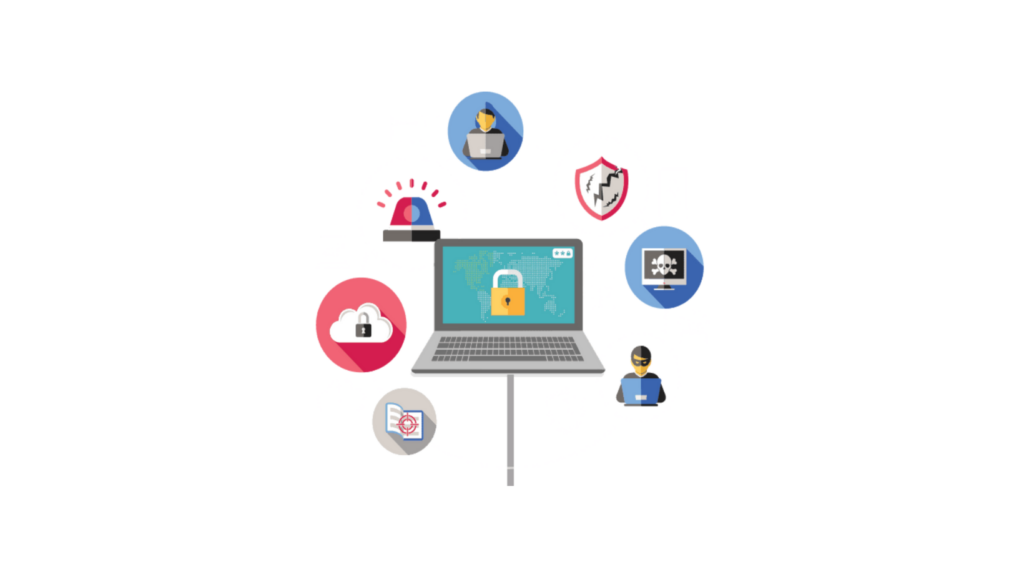
[vc_row type=”in_container” full_screen_row_position=”middle” column_margin=”default” column_direction=”default” column_direction_tablet=”default” column_direction_phone=”default” scene_position=”center” text_color=”dark” text_align=”left” row_border_radius=”none” row_border_radius_applies=”bg” overflow=”visible” overlay_strength=”0.3″ gradient_direction=”left_to_right” shape_divider_position=”bottom” bg_image_animation=”none”][vc_column column_padding=”no-extra-padding” column_padding_tablet=”inherit” column_padding_phone=”inherit” column_padding_position=”all” column_element_direction_desktop=”default” column_element_spacing=”default” desktop_text_alignment=”default” tablet_text_alignment=”default” phone_text_alignment=”default” background_color_opacity=”1″ background_hover_color_opacity=”1″ column_backdrop_filter=”none” column_shadow=”none” column_border_radius=”none” column_link_target=”_self” column_position=”default” gradient_direction=”left_to_right” overlay_strength=”0.3″ width=”1/1″ tablet_width_inherit=”default” animation_type=”default” bg_image_animation=”none” border_type=”simple” column_border_width=”none” column_border_style=”solid”][vc_column_text] Image by nyflnerds from Pixabay Created with Canava From sales to HR and management, almost every department of contemporary businesses heavily depends on technology for the smooth operation of their day-to-day affairs. To ensure this, they must keep their in-house IT infrastructure pristine. However, for many organizations, tiny and medium enterprises (SMEs), maintaining in-house IT capabilities can be resource-intensive and complex. As such, outsourcing IT needs has emerged as a viable solution, allowing businesses to focus on their core competencies while harnessing external expertise. In this blog post, we will explore the top five benefits of outsourcing your business’s IT needs and how this approach can foster growth and innovation. Cost Efficiency One of the major reasons to outsource IT services is cost efficiency. Maintaining an in-house IT team often involves substantial expenses, including salaries, benefits, training, and equipment procurement. With the help of managed IT services Glendale, businesses can convert fixed costs into variable costs, only paying for the services they utilize. Managed service providers offer a wide comprehensive range of pricing models, including subscription plans and service-level agreements (SLAs), which can be tailored to the specific needs of the organization. This flexibility leads to significant savings, particularly for SMEs that may not have the budget to hire full-time IT professionals with specialized skills. Moreover, with outsourced services, organizations can avoid the hidden costs associated with technology management, such as downtime and maintenance issues. Access to Expertise and Advanced Technologies The IT landscape is changing constantly, and keeping pace with new developments can be cumbersome for businesses. Outsourcing provides businesses with immediate access to a wealth of expertise and knowledge. Managed service providers (MSPs) typically employ teams of skilled professionals with specialized training in various areas such as cybersecurity, cloud computing, and network management. By outsourcing, businesses can leverage best practices and advanced technologies that may be out of reach to them as standalone entities. This access not only enhances the overall performance of IT systems but also enables organizations to innovate and implement cutting-edge solutions that drive competitive advantage. Additionally, outsourced teams are often more resilient to technological disruptions, ensuring that businesses remain agile in the face of change. Enhanced Security and Risk Management In an age where cyber criminals are getting increasingly sophisticated, securing sensitive data and IT systems is paramount. For many SMEs, the complexity of cybersecurity measures and compliance regulations can be formidable. This is where outsourcing IT needs can provide tangible benefits. Many IT service providers specialize in security protocols and risk management. They possess the tools and resources necessary to safeguard data against breaches, ensure compliance with industry regulations, and mitigate potential risks. By investing in outsourced IT services, businesses can strengthen the security of their IT infra and reduce the likelihood of costly data breaches, safeguarding their reputation and customer trust in the process. Improved Focus on Core Business Functions Outsourcing IT tasks allows organizations to refocus their energies on core business functions. When IT issues consume valuable time and resources, it can impede productivity and distract from strategic priorities. By partnering with an IT provider, businesses can delegate technology-related tasks, enabling internal teams to concentrate on what they do best—driving business growth and enhancing customer satisfaction. For example, rather than spending hours troubleshooting technical issues, employees can devote their efforts to sales, marketing, and product development, facilitating better resource allocation and maximizing ROI. This shift in focus can lead to boost employee morale, as team members engage in responsibilities that align more closely with their expertise and interests. Scalable Solutions and Flexibility As businesses grow and evolve, their IT needs can change rapidly. Outsourcing provides organizations with the flexibility to scale services up or down based on need. Whether businesses intend to expand new markets or adjust to seasonal fluctuations, outsourced IT solutions can be adapted quickly to meet changing requirements without the need for significant capital investment. This scalability is particularly beneficial for startups and growing businesses that may experience unpredictable growth trajectories. By leveraging outsourced IT services, organizations can ensure they have the technological infrastructure necessary to support their ambitions without overcommitting to resources they may not need in the long term. This adaptability not only fosters innovation but also positions businesses to be more resilient against market fluctuations and technological advancements. Outsourcing IT needs is a strategic decision that offers numerous advantages for businesses of all sizes. From cost efficiency and access to expertise to enhanced security and improved focus on core functions, the benefits are compelling and wide-ranging. By embracing outsourcing, organizations can streamline operations, foster innovation, and sustainably scale their business—all while remaining agile in an ever-evolving technological landscape. As technology continues to influence every aspect of business operations, the importance of effective IT management will only increase. Therefore, for companies looking to thrive in today’s competitive environment, outsourcing IT needs represents an intelligent and forward-thinking approach that can drive both immediate and long-term success. Investing in outsourced IT services not only enables businesses to address current challenges but also positions them strategically to capitalize on future opportunities. Need any assistance with your IT infra? Contact us today for a quote.[/vc_column_text][/vc_column][/vc_row][vc_row type=”in_container” full_screen_row_position=”middle” column_margin=”default” column_direction=”default” column_direction_tablet=”default” column_direction_phone=”default” scene_position=”center” text_color=”dark” text_align=”left” row_border_radius=”none” row_border_radius_applies=”bg” overflow=”visible” overlay_strength=”0.3″ gradient_direction=”left_to_right” shape_divider_position=”bottom” bg_image_animation=”none”][vc_column column_padding=”no-extra-padding” column_padding_tablet=”inherit” column_padding_phone=”inherit” column_padding_position=”all” column_element_direction_desktop=”default” column_element_spacing=”default” desktop_text_alignment=”default” tablet_text_alignment=”default” phone_text_alignment=”default” background_color_opacity=”1″ background_hover_color_opacity=”1″ column_backdrop_filter=”none” column_shadow=”none” column_border_radius=”none” column_link_target=”_self” column_position=”default” gradient_direction=”left_to_right” overlay_strength=”0.3″ width=”1/1″ tablet_width_inherit=”default” animation_type=”default” bg_image_animation=”none” border_type=”simple” column_border_width=”none” column_border_style=”solid”][divider line_type=”No Line” custom_height=”10″][/vc_column][/vc_row][vc_row type=”in_container” full_screen_row_position=”middle” column_margin=”default” equal_height=”yes” column_direction=”default” column_direction_tablet=”default” column_direction_phone=”default” scene_position=”center” top_padding=”20″ text_color=”dark” text_align=”left” row_border_radius=”none” row_border_radius_applies=”bg” overflow=”visible” overlay_strength=”0.3″ gradient_direction=”left_to_right” shape_divider_position=”bottom” bg_image_animation=”none” shape_type=””][vc_column column_padding=”no-extra-padding” column_padding_tablet=”inherit” column_padding_phone=”inherit” column_padding_position=”all” column_element_direction_desktop=”default” column_element_spacing=”default” desktop_text_alignment=”default” tablet_text_alignment=”default” phone_text_alignment=”default” background_color=”#ffffff” background_color_opacity=”1″ background_color_hover=”#ffffff” background_hover_color_opacity=”1″ column_backdrop_filter=”none” column_shadow=”none” column_border_radius=”none” column_link_target=”_self” column_position=”default” gradient_direction=”left_to_right” overlay_strength=”0.3″ width=”1/2″ tablet_width_inherit=”default” animation_type=”default” bg_image_animation=”none” border_type=”simple” column_border_width=”none” column_border_style=”solid”][vc_custom_heading text=”Headquarters” font_container=”tag:h5|text_align:left|color:%23bfbfbf” use_theme_fonts=”yes” css=”.vc_custom_1546992641379{margin-bottom: 10px !important;}”][vc_custom_heading text=”Contact” font_container=”tag:h1|font_size:70|text_align:left|line_height:56px” google_fonts=”font_family:Roboto%20Condensed%3A300%2C300italic%2Cregular%2Citalic%2C700%2C700italic|font_style:700%20bold%20regular%3A700%3Anormal”][vc_column_text css=”.vc_custom_1616531309355{margin-top: 30px !important;margin-bottom:
Structured Cabling Technician
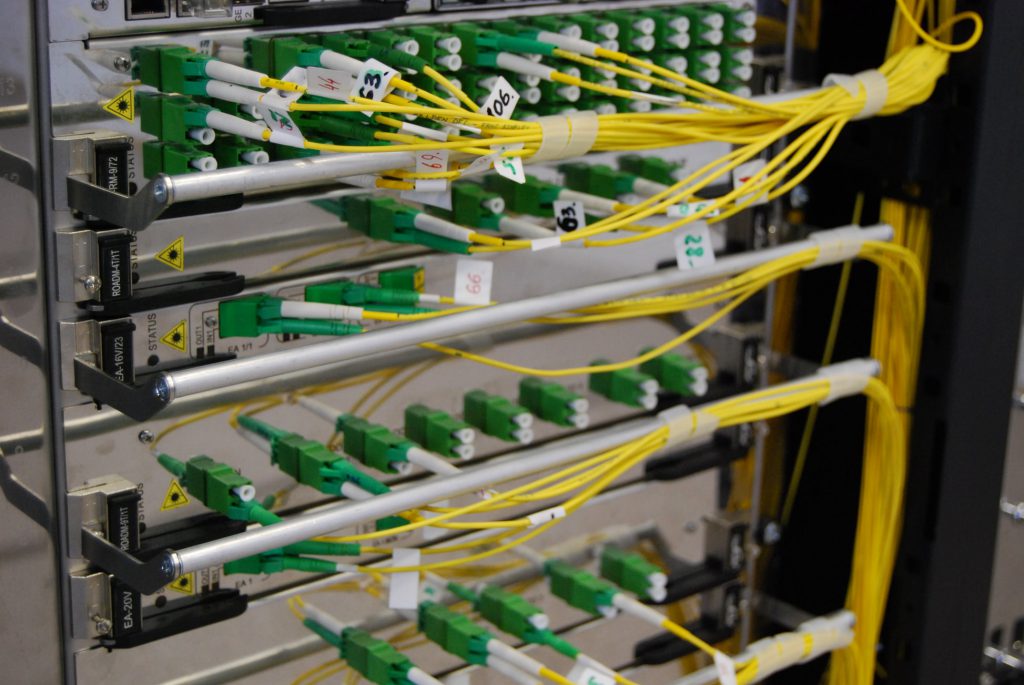
[vc_row type=”in_container” full_screen_row_position=”middle” scene_position=”center” text_color=”dark” text_align=”left” overlay_strength=”0.3″ shape_divider_position=”bottom” bg_image_animation=”none”][vc_column column_padding=”no-extra-padding” column_padding_position=”all” background_color_opacity=”1″ background_hover_color_opacity=”1″ column_link_target=”_self” column_shadow=”none” column_border_radius=”none” width=”1/1″ tablet_width_inherit=”default” tablet_text_alignment=”default” phone_text_alignment=”default” column_border_width=”none” column_border_style=”solid” bg_image_animation=”none”][vc_column_text]About Our Company: TECHBLEED is an IT Service company that provides cable installations to major ISP providers throughout Southern California. Our area of coverage extends from San Diego to Ventura County. TECHBLEED is currently in search of experienced or entry-level technicians to complete service ticket installations in commercial settings. TECHBLEED is also involved with structured cabling, access control systems, security camera systems, wireless surveys, etc. We do provide job training to candidates, who want to grow their skillset and grow within the company. Primary Responsibilities/Tasks: Complete scheduled installations and other activities associated with the service order. Works in confined spaces; climb ladders, access roofs, enter attics, telephone rooms, buildings, crawl spaces, etc. Troubleshoot and repair minor technical problems Ability to work well alone and in teams accurately complete work orders, forms and reports as required Maintain and manage an inventory of materials issued to perform job tasks Recognize and comply with all Company and OSHA safety policies and regulations Maintain the flexibility to vary workload to meet constantly changing demands Possess a positive and professional attitude, maintain a presentable appearance, and relate well with the public Ability to use communication devices as needed to complete work orders Must be quality conscious and take pride in your work Daily data entry for work performed Traveling from site-to-site to complete service orders Candidate Requirements : Clean personal truck, van or SUV required capable of handling a 28 ft ladder Must have valid Drivers License, Registration, & Auto Insurance (DMV records pulled) Must have a good driving record–limited tickets–No recent DUI’s MUST possess and handle basic tools MUST possess good time management skills Must be physically able to perform job functions Must be organized and well-groomed Must possess basic computer skills Good verbal, written and interpersonal communication skills required Must communicate effectively via email, phone, etc. and respond quickly and accurately to Supervisors/Management and other staff Adaptability and being able to work in a team environment as well as independently Ability to handle various tasks simultaneously, organize, prioritize, make decisions and work efficiently and effectively under deadlines as required Be able to work comfortably indoors and outdoors Cannot be afraid of heights Must be willing to work varying shifts Maintain a positive attitude MUST BE WILLING TO TRAVEL BETWEEN JOB SITES We are looking for motivated and reliable candidates who want to be part of the best team in the business. Call us today to set up an interview. Job Type: Full-time Salary: $45,000.00 to $54,00,000.00 /year (Based on Experience)[/vc_column_text][/vc_column][/vc_row][vc_row type=”in_container” full_screen_row_position=”middle” scene_position=”center” text_color=”dark” text_align=”left” overlay_strength=”0.3″ shape_divider_position=”bottom” bg_image_animation=”none”][vc_column column_padding=”no-extra-padding” column_padding_position=”all” background_color_opacity=”1″ background_hover_color_opacity=”1″ column_link_target=”_self” column_shadow=”none” column_border_radius=”none” width=”1/1″ tablet_width_inherit=”default” tablet_text_alignment=”default” phone_text_alignment=”default” column_border_width=”none” column_border_style=”solid” bg_image_animation=”none”][divider line_type=”No Line” custom_height=”10″][/vc_column][/vc_row][vc_row type=”in_container” full_screen_row_position=”middle” equal_height=”yes” scene_position=”center” text_color=”dark” text_align=”left” top_padding=”20″ overlay_strength=”0.3″ shape_divider_position=”bottom” bg_image_animation=”none” shape_type=””][vc_column column_padding=”no-extra-padding” column_padding_position=”all” background_color=”#ffffff” background_color_opacity=”1″ background_color_hover=”#ffffff” background_hover_color_opacity=”1″ column_link_target=”_self” column_shadow=”none” column_border_radius=”none” width=”1/2″ tablet_width_inherit=”default” tablet_text_alignment=”default” phone_text_alignment=”default” column_border_width=”none” column_border_style=”solid” bg_image_animation=”none”][vc_custom_heading text=”Headquarters” font_container=”tag:h5|text_align:left|color:%23bfbfbf” use_theme_fonts=”yes” css=”.vc_custom_1546992641379{margin-bottom: 10px !important;}”][vc_custom_heading text=”Contact” font_container=”tag:h1|font_size:70|text_align:left|line_height:56px” google_fonts=”font_family:Roboto%20Condensed%3A300%2C300italic%2Cregular%2Citalic%2C700%2C700italic|font_style:700%20bold%20regular%3A700%3Anormal”][vc_column_text css=”.vc_custom_1616531309355{margin-top: 30px !important;margin-bottom: 30px !important;}”]53 Glenflow Ct Glendale, CA 91206 E: contact@techbleed.tech4pm.com[/vc_column_text][vc_custom_heading text=”Phone number” font_container=”tag:h5|text_align:left|color:%23bfbfbf” use_theme_fonts=”yes” css=”.vc_custom_1544039543994{margin-bottom: 10px !important;}”][vc_custom_heading text=”818 454 4444″ font_container=”tag:p|font_size:30|text_align:left|line_height:56px” google_fonts=”font_family:Roboto%20Condensed%3A300%2C300italic%2Cregular%2Citalic%2C700%2C700italic|font_style:700%20bold%20regular%3A700%3Anormal” link=”url:tel%3A%2B18184544444|||”][nectar_icon icon_family=”iconsmind” icon_style=”default” icon_color=”Extra-Color-1″ open_new_tab=”true” icon_padding=”20px” icon_iconsmind=”iconsmind-Facebook-2″ icon_size=”29″ margin_left=”-20px” url=”https://facebook.com/TECHBLEED”][nectar_icon icon_family=”iconsmind” icon_style=”default” icon_color=”Extra-Color-1″ open_new_tab=”true” icon_padding=”20px” icon_iconsmind=”iconsmind-Instagram” icon_size=”29″ url=”https://instagram.com/TECHBLEED”][nectar_icon icon_family=”iconsmind” icon_style=”default” icon_color=”Extra-Color-1″ open_new_tab=”true” icon_padding=”20px” icon_iconsmind=”iconsmind-Linkedin” icon_size=”29″ url=”https://linkedin.com/company/TECHBLEED”][/vc_column][vc_column column_padding=”no-extra-padding” column_padding_position=”all” background_color_opacity=”1″ background_hover_color_opacity=”1″ column_link_target=”_self” column_shadow=”none” column_border_radius=”5px” width=”1/2″ tablet_width_inherit=”default” tablet_text_alignment=”default” phone_text_alignment=”default” column_border_width=”none” bg_image_animation=”none”][contact-form-7 id=”8744″][/vc_column][/vc_row]